
Relaxer Retouch Gallery
$$MultiPurposeText$$
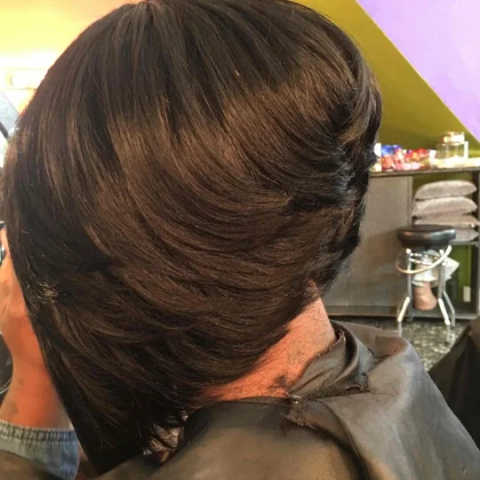
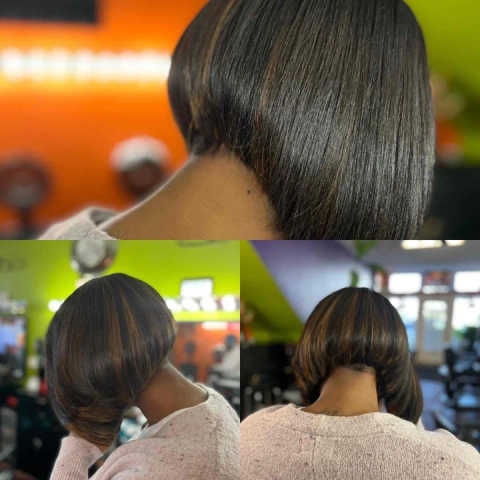
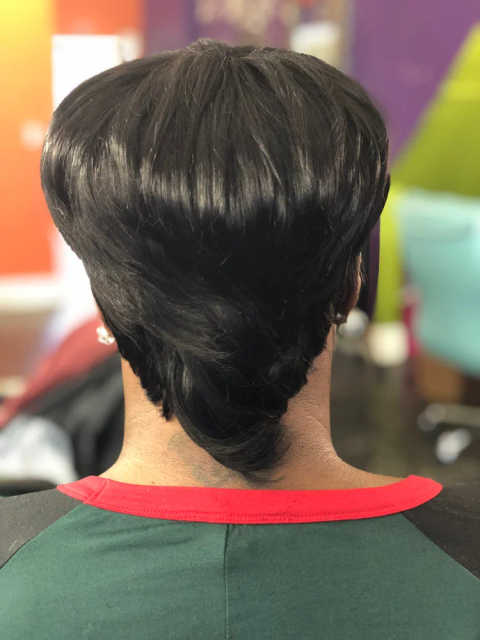
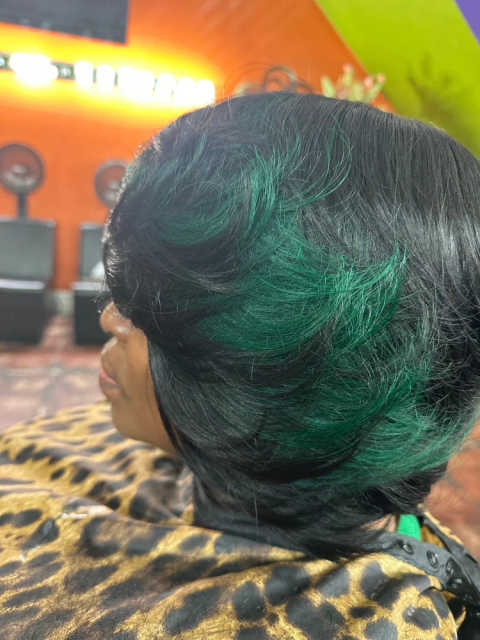
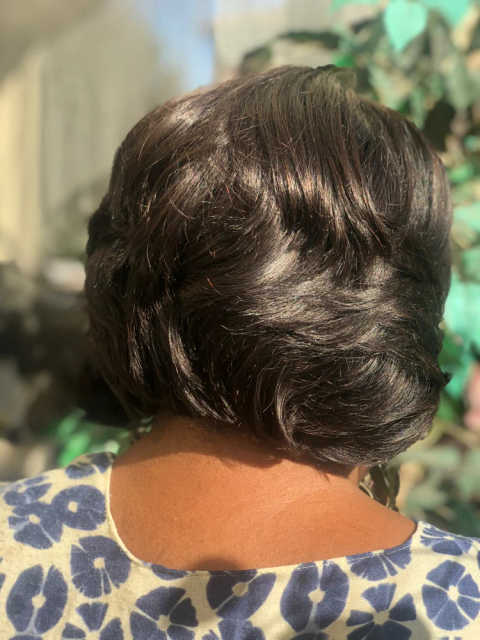
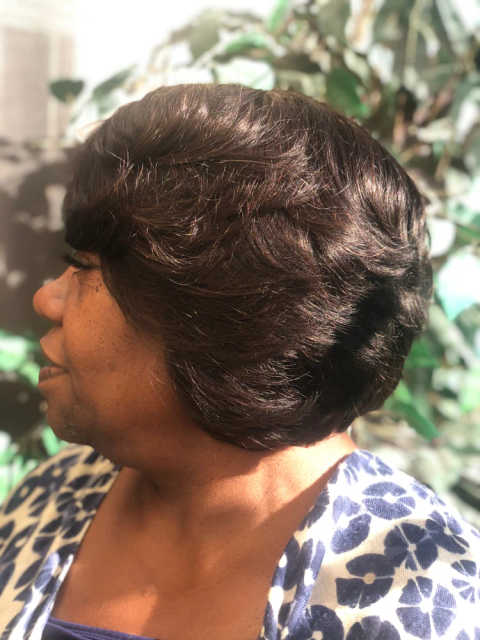
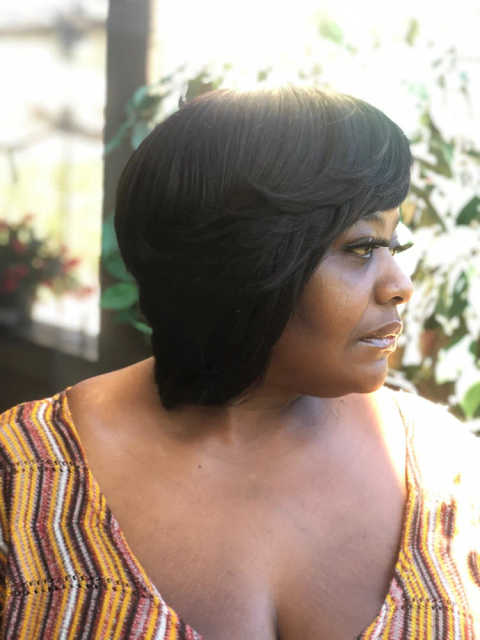
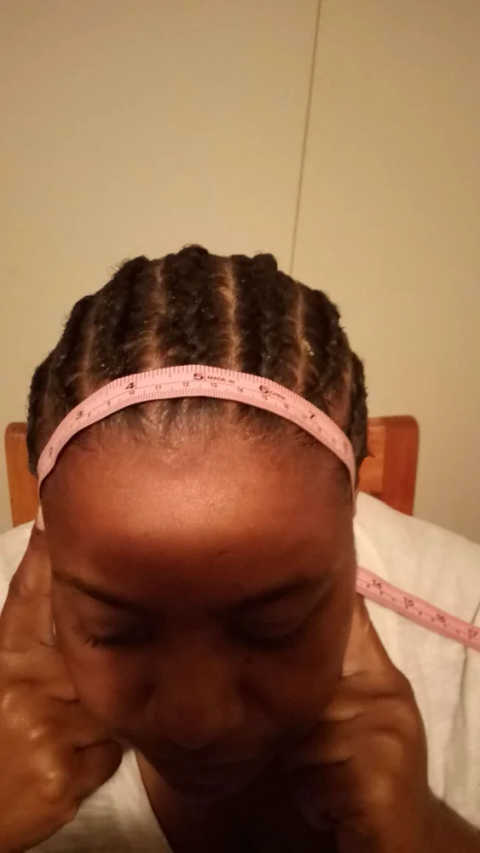
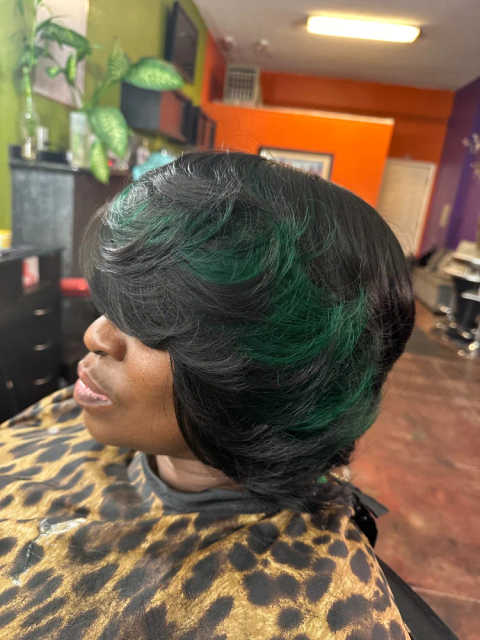
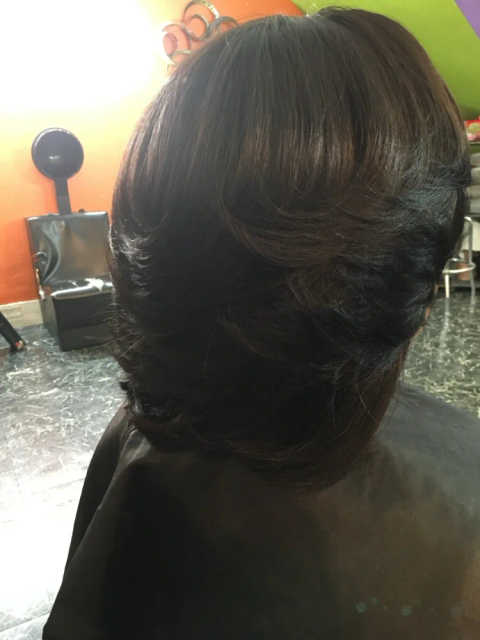
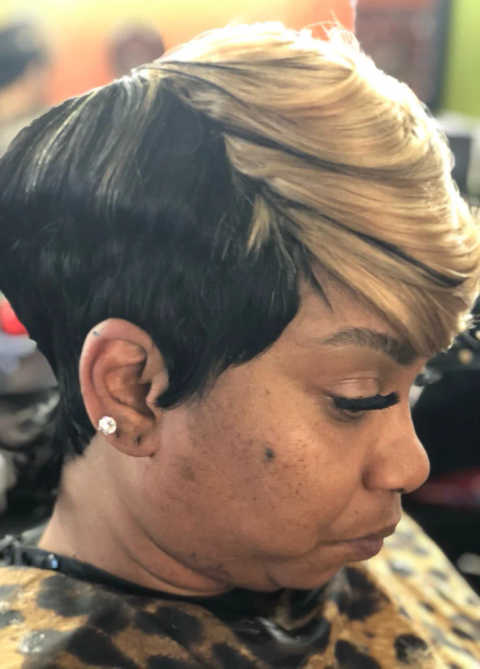
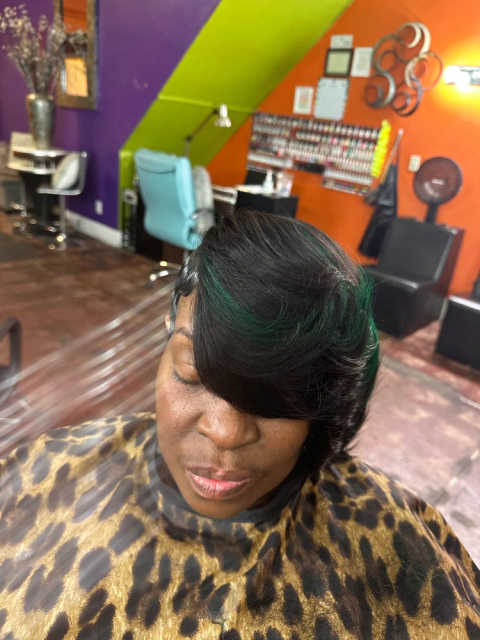
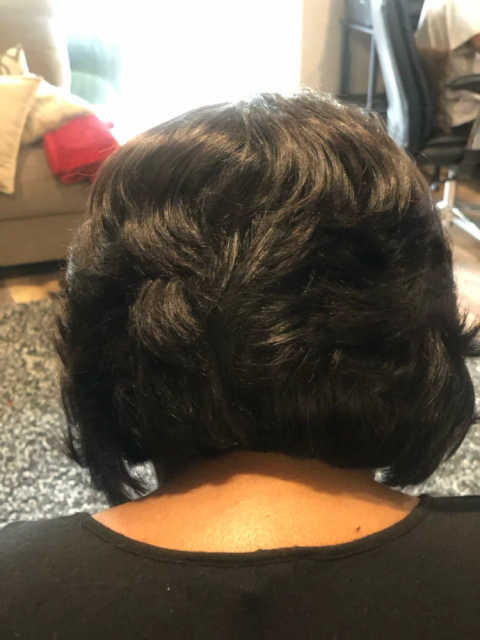
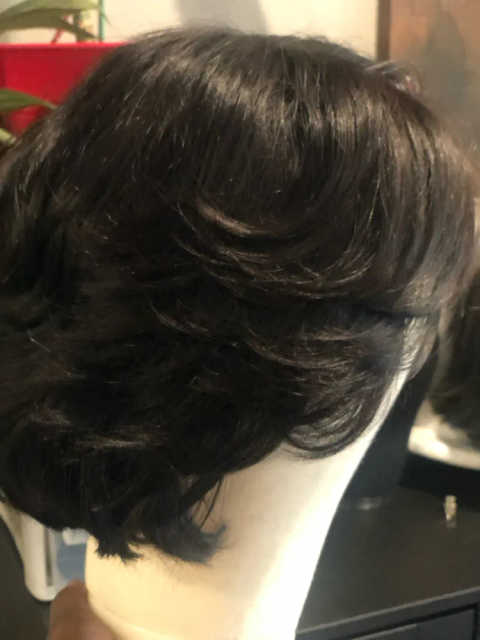
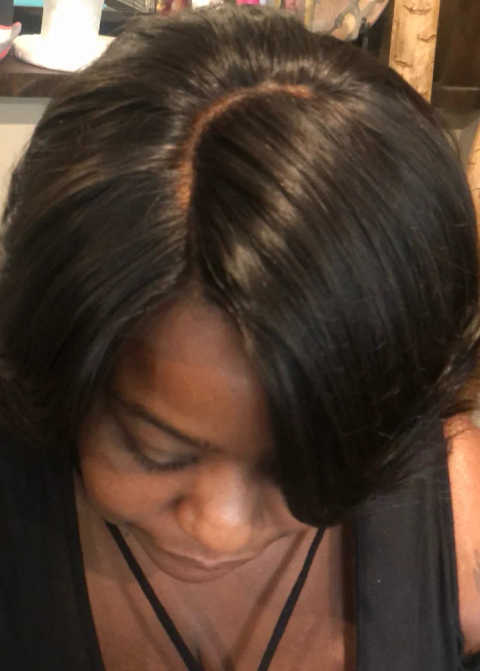
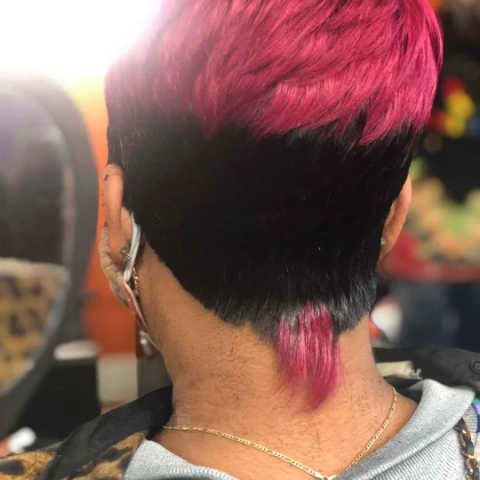
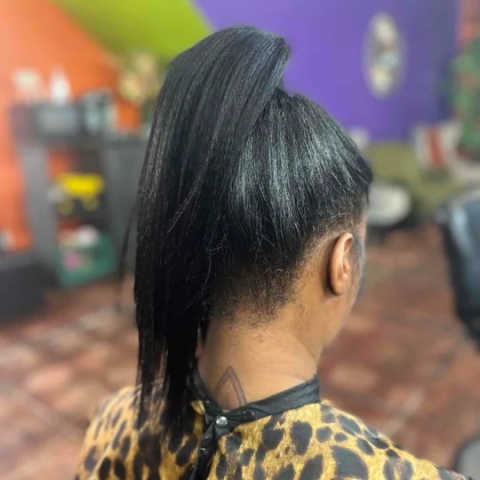
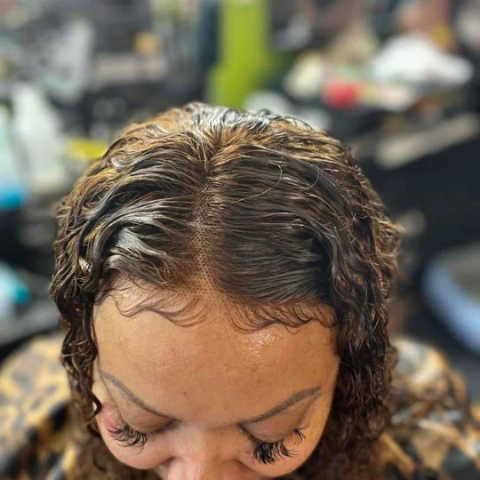
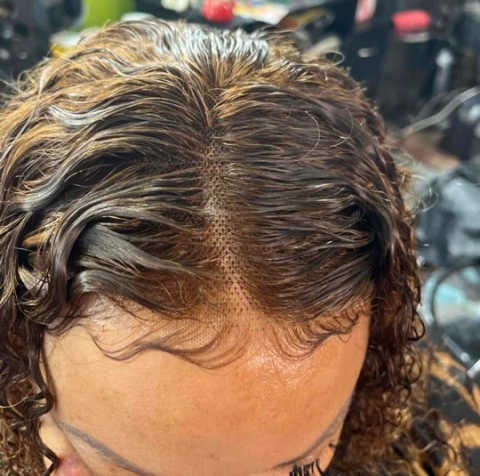
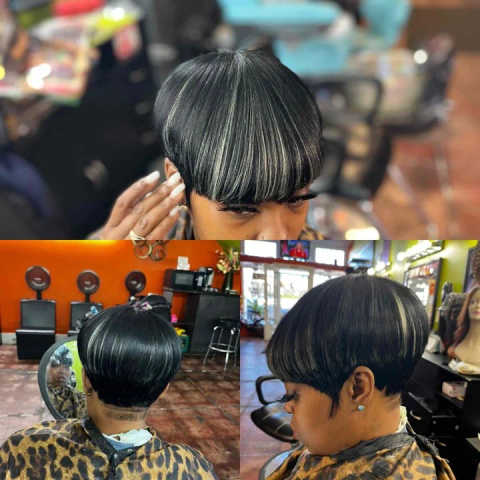
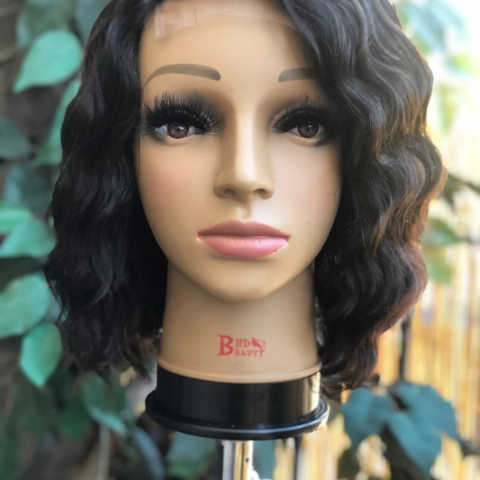
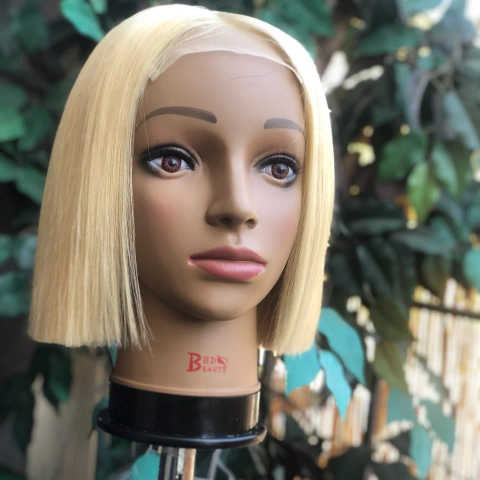
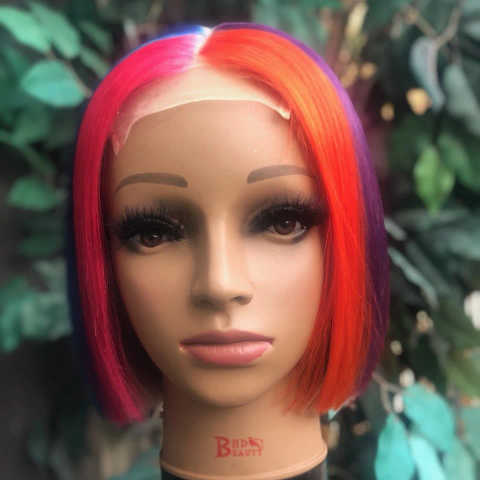
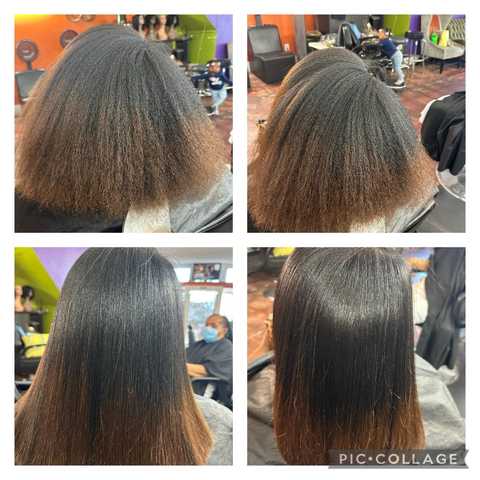
See examples of our Relaxer Retouch work and results.

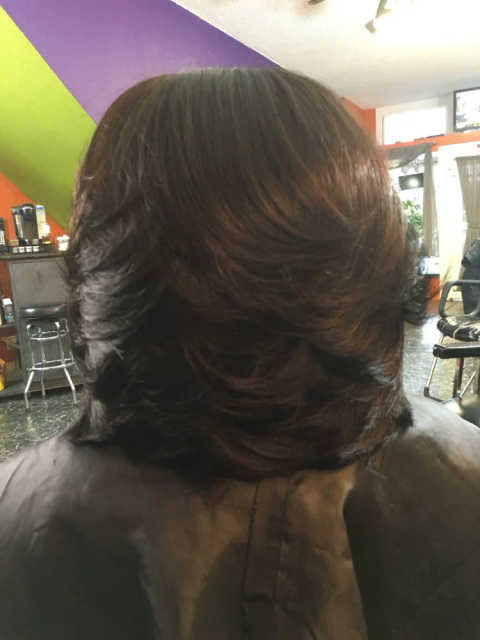
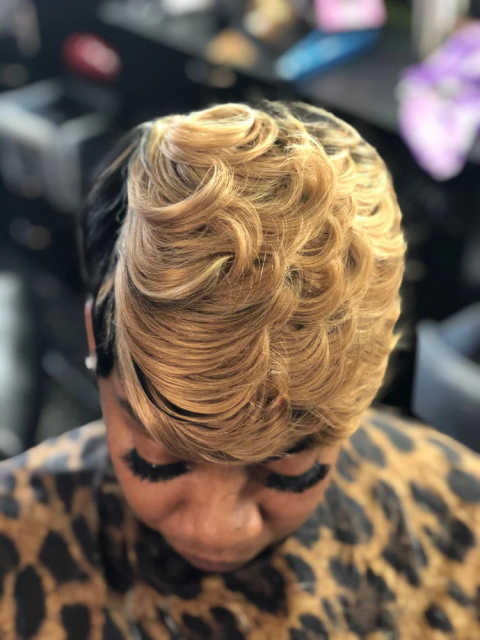
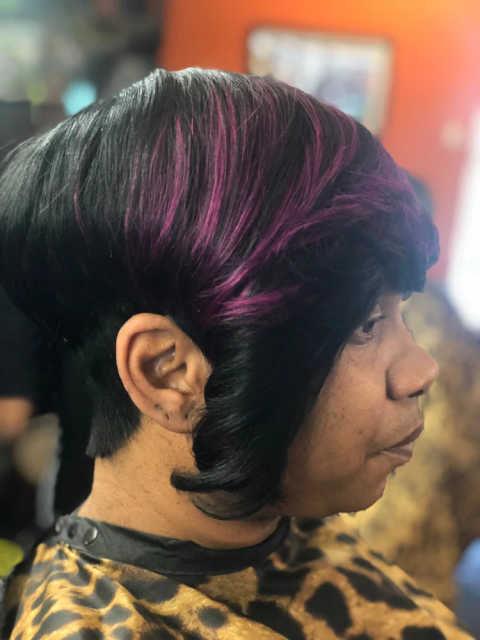
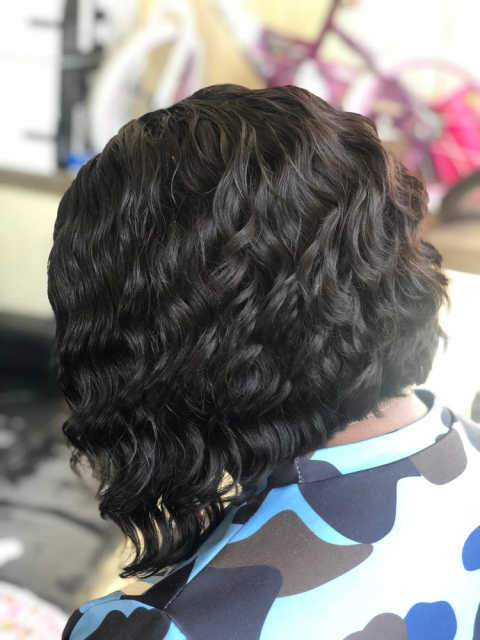
What Our Clients Say
$$MultiPurposeText$$
Read testimonials from our satisfied customers

Love this hairstyle.

I found Tiana because I was in desperate need of a trim and let me tell you something. She...more

Thank you Tiana for making me feel even more beautiful! I love my pixie hairstyle!

The experience was absolutely amazing as always been coming to you for over 20 years alway...more

So good so so good better than all and so fast more fast than usual hairstylist can make v...more

I came here for a silk press amazing service it was a pleasure being styled by Tiana and I...more

Frequently Asked Questions
Get answers to common questions about Relaxer Retouch.
Most clients return every six to ten weeks depending on hair growth and condition. We'll assess regrowth and recommend a personalized schedule to maintain consistent texture without over-processing. Regular appointments help prevent breakage and keep styling effortless.
A retouch focuses on new growth and is carefully applied to avoid overlapping previously relaxed hair. It won't change length or style when done correctly; we protect existing strands to maintain healthy, consistent results.
Yes. Relaxer retouch can be performed on colored or highlighted hair with a consultation and strand test. We select gentle formulas and timing to minimize color shift and protect hair integrity before proceeding.
Appointments typically take sixty to ninety minutes depending on root amount, hair length, and any added treatments like deep conditioning. We prioritize thorough application and proper neutralization to ensure safe, even results.
Use sulfate-free shampoos, hydrating conditioners, and regular deep conditioning. Avoid heat styling for forty-eight hours and protect ends with oils or serums. We'll provide a custom at-home routine to extend your retouch and strengthen relaxed hair between visits.
If hair shows significant damage, we perform a strand test and may delay retouching. Sometimes a bond-repair treatment or restorative conditioning is recommended first to protect hair integrity and avoid further breakage.