
Transitioning Cut Gallery
$$MultiPurposeText$$
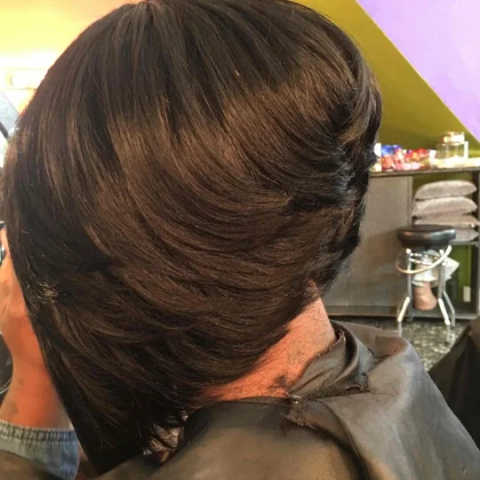
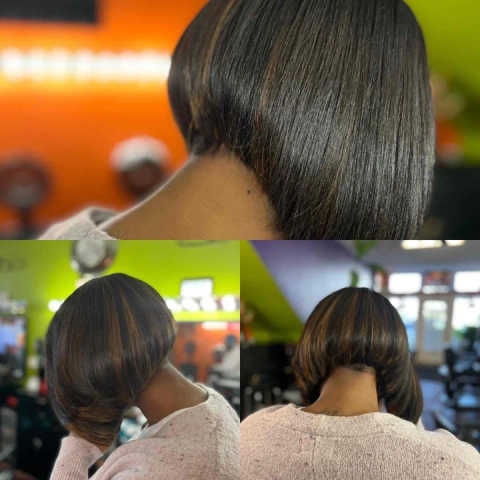
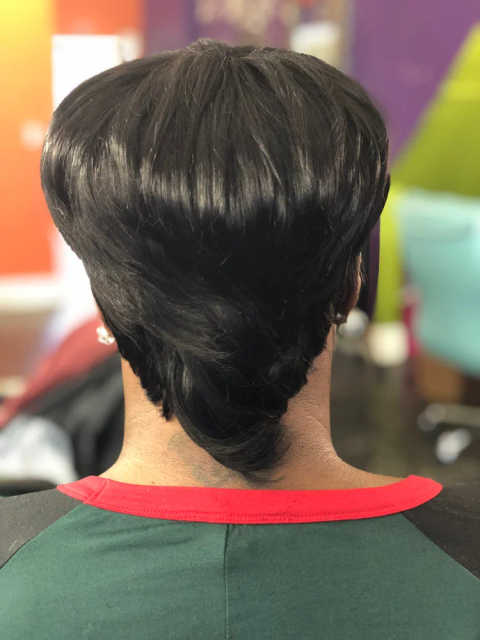
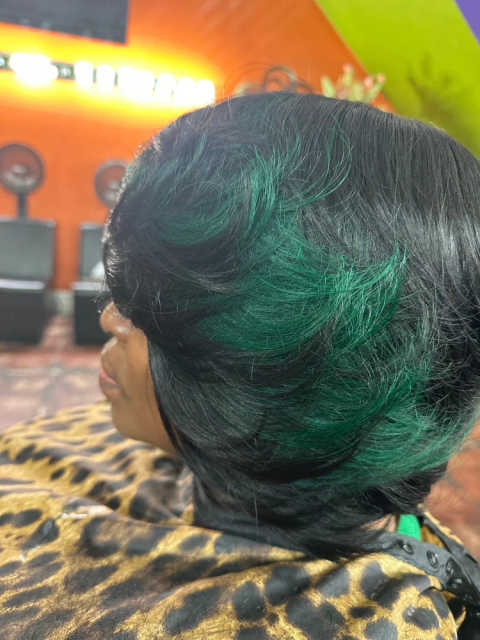
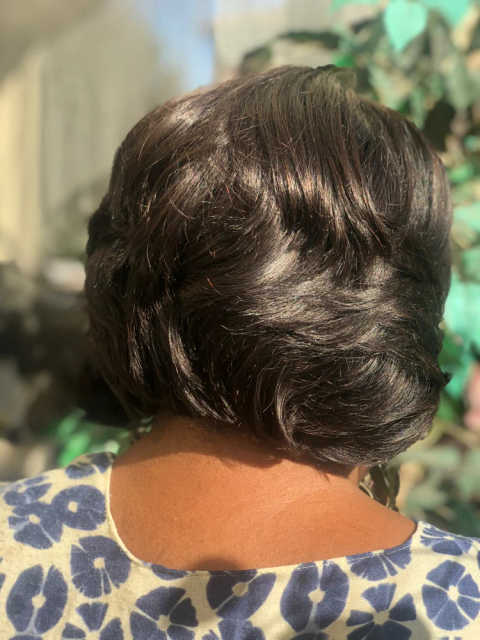
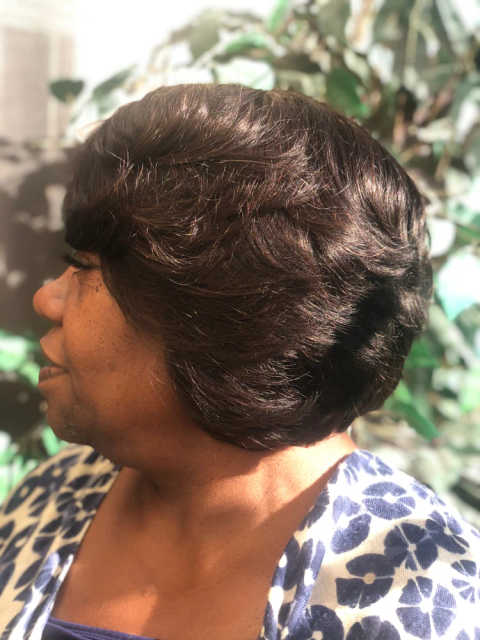
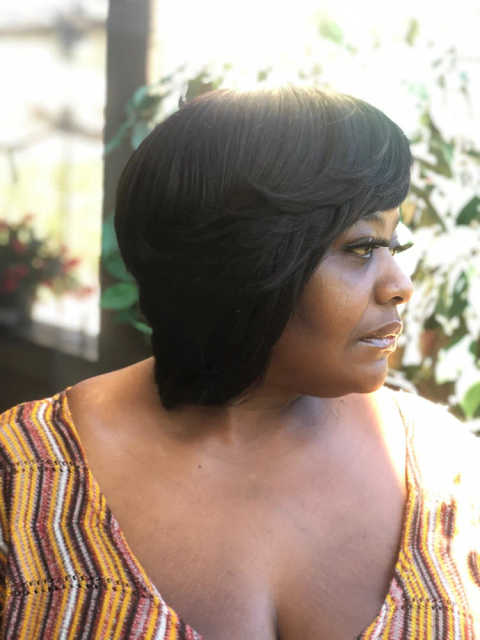
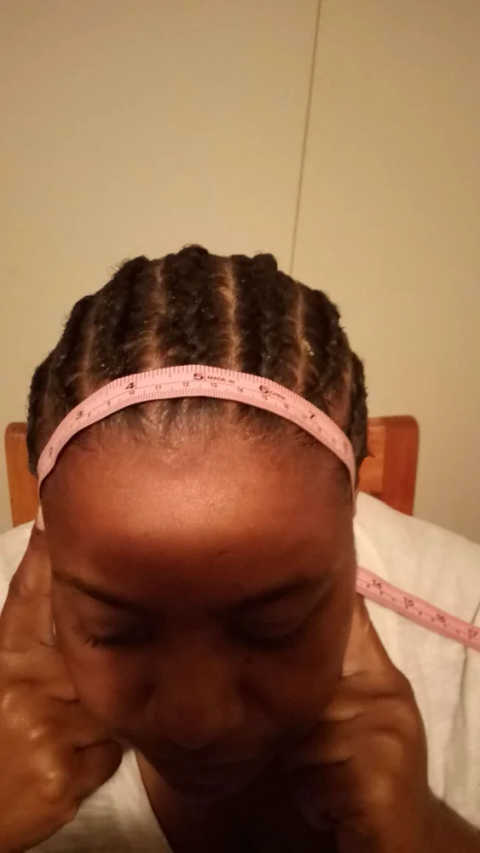
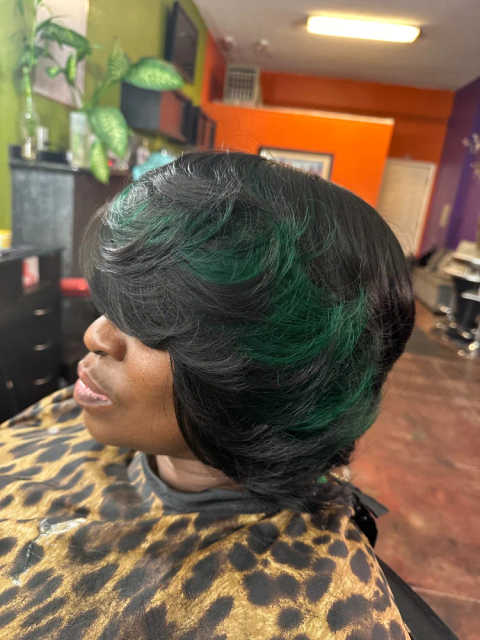
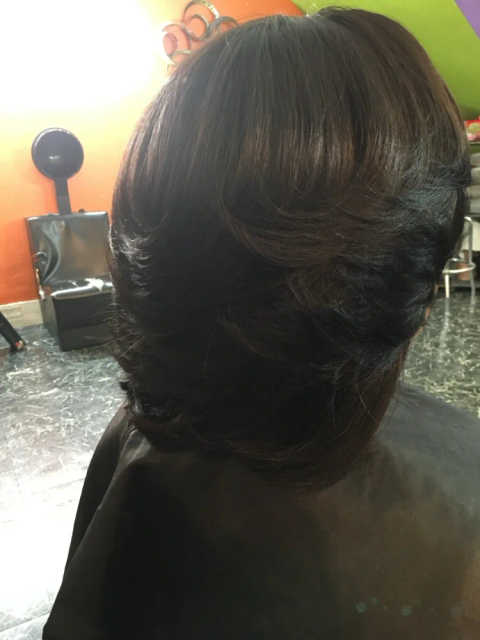
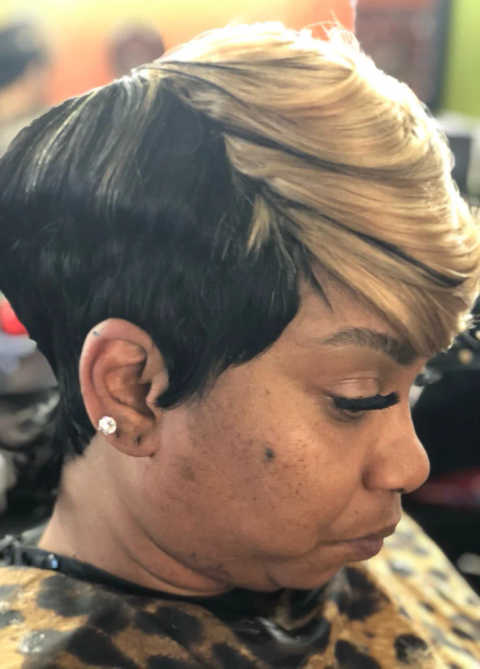
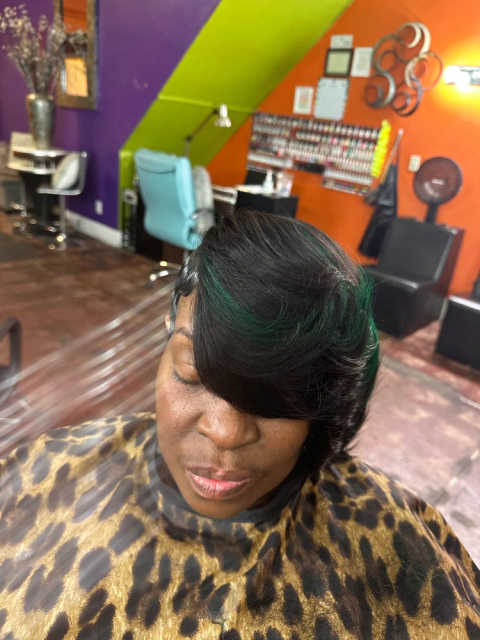
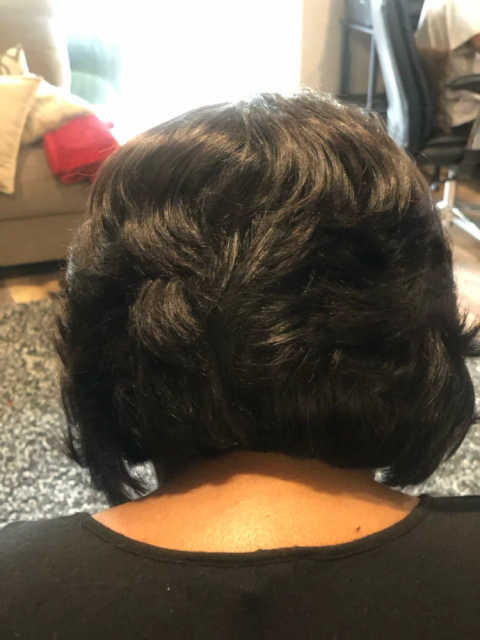
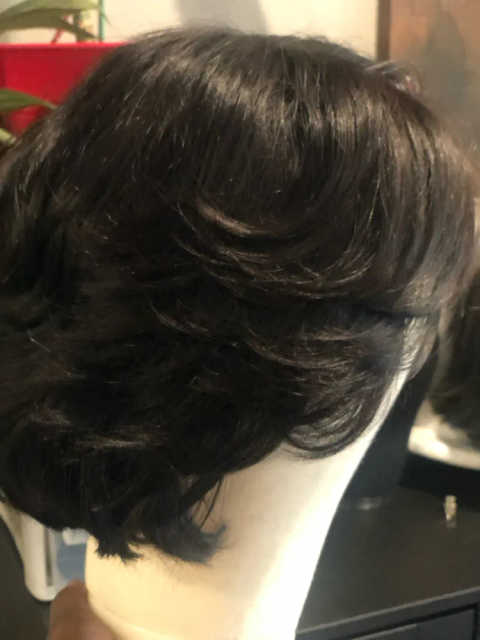
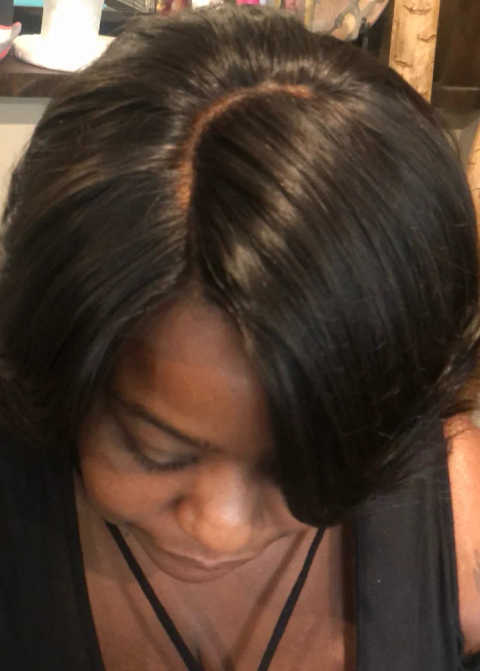
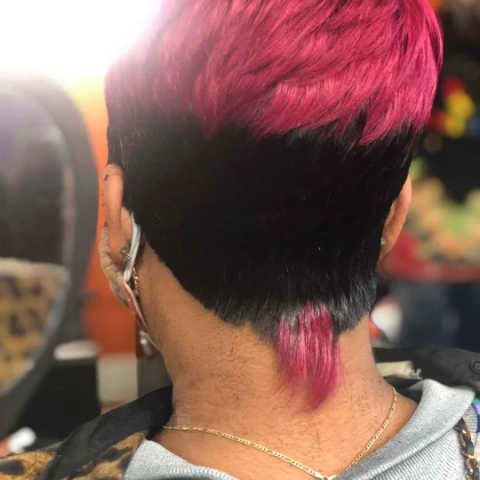
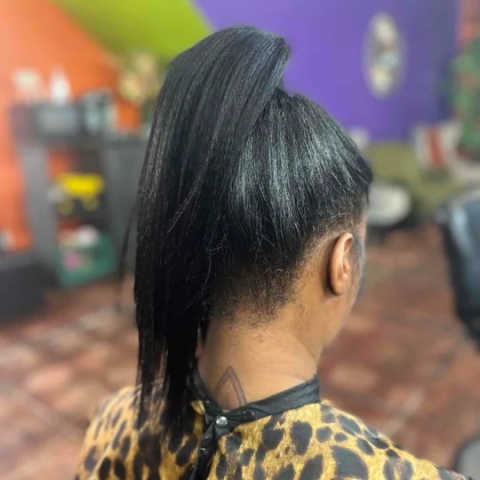
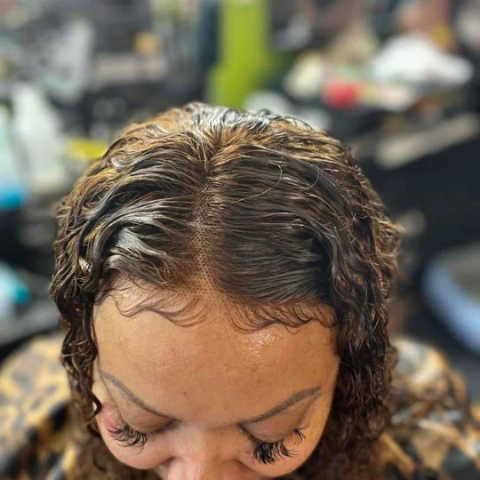
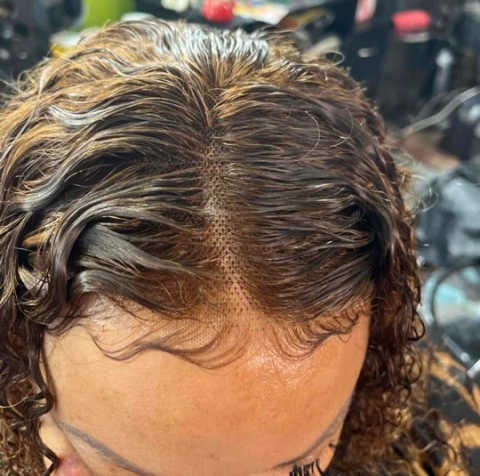
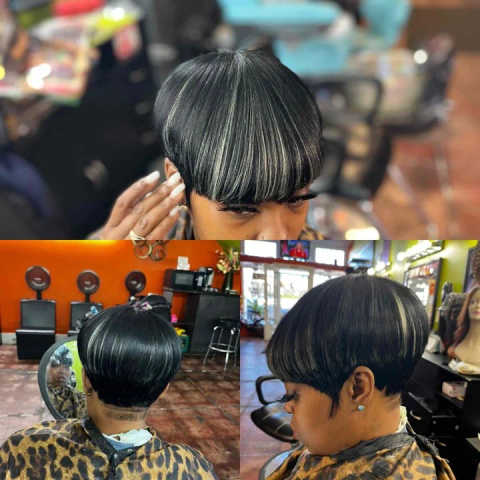
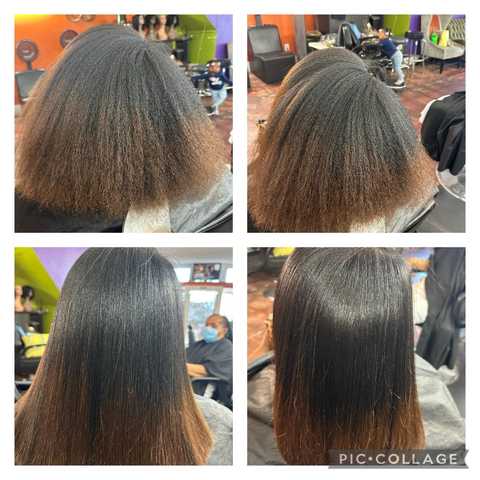
See examples of our Transitioning Cut work and results.

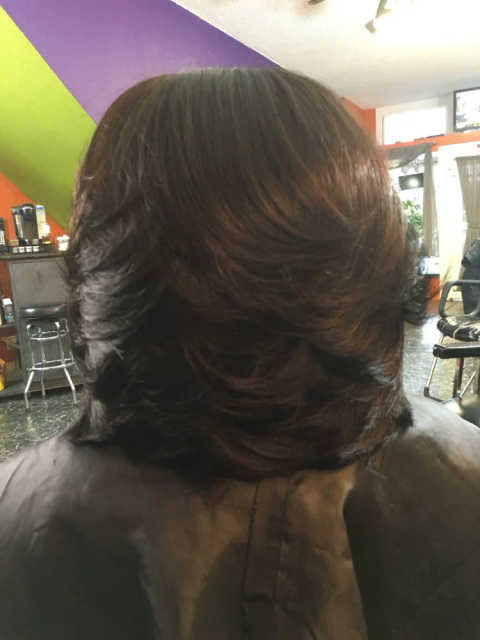
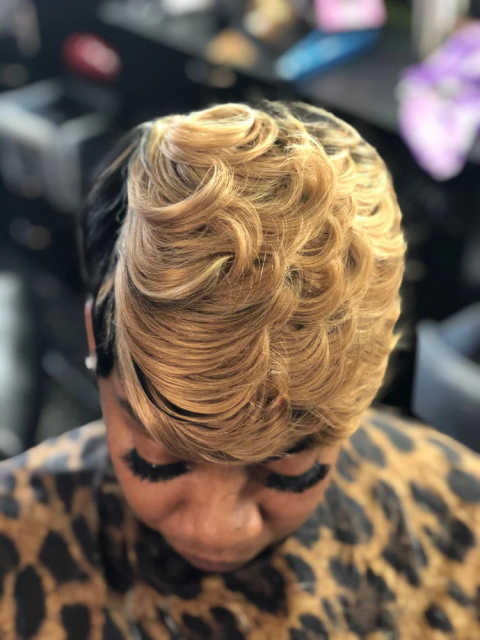
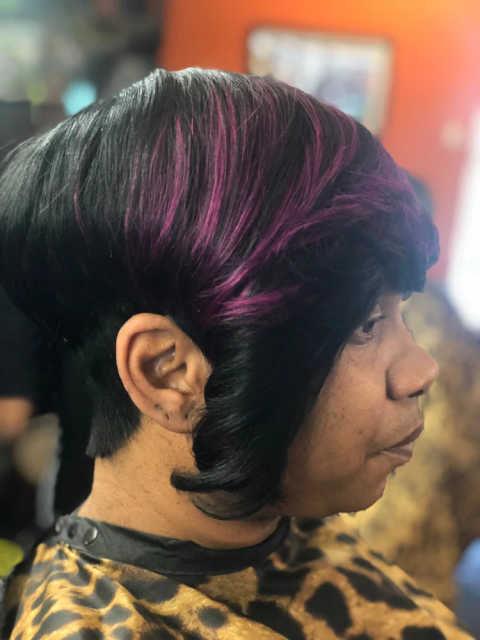
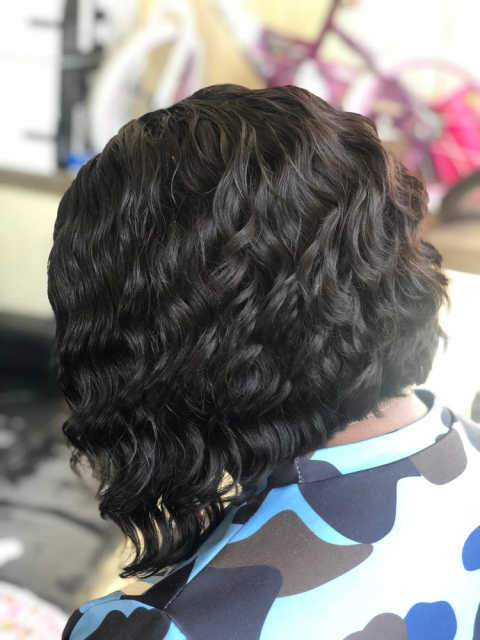



What Our Clients Say
$$MultiPurposeText$$
Read testimonials from our satisfied customers

Love this hairstyle.

I found Tiana because I was in desperate need of a trim and let me tell you something. She...more

Thank you Tiana for making me feel even more beautiful! I love my pixie hairstyle!

The experience was absolutely amazing as always been coming to you for over 20 years alway...more

So good so so good better than all and so fast more fast than usual hairstylist can make v...more

I came here for a silk press amazing service it was a pleasure being styled by Tiana and I...more

Frequently Asked Questions
Get answers to common questions about Transitioning Cut.
You can book a Transitioning Cut any time, but waiting at least two to four weeks after harsh chemical processing is ideal. This allows your hair to settle and gives the stylist a clearer view of healthy versus damaged ends to remove precisely.
The initial cut removes damaged length, so some immediate length loss is expected. The goal is healthier, more manageable hair and faster long-term growth. Your stylist will minimize unnecessary length sacrifice and shape the hair to preserve fullness and flattering proportions.
Every 8 to 12 weeks is common, but frequency depends on your hair's condition, growth rate, and styling routine. Regular trims prevent split-end damage, maintain shape, and support healthy growth; your stylist will recommend a schedule tailored to your needs.
Yes. Transitioning Cuts are suitable for straight, wavy, curly, and coily hair and can be adjusted for any length. The approach and cutting technique vary to respect texture and density while removing damage and creating a seamless look.
Absolutely. Your stylist will suggest shampoos, conditioners, leave-ins, and treatments tailored to your hair's porosity and needs. Proper at-home care, including gentle detangling and protective styling, extends the benefits of the cut and supports sustained, healthy growth.
Yes. It’s often the first physical step in a transition plan, combined with consultation on styles, protective techniques, timelines, and product routines. We create a personalized roadmap to help you reach your natural hair goals with confidence and healthy hair practices.